San Francisco Seals (1961-1967)
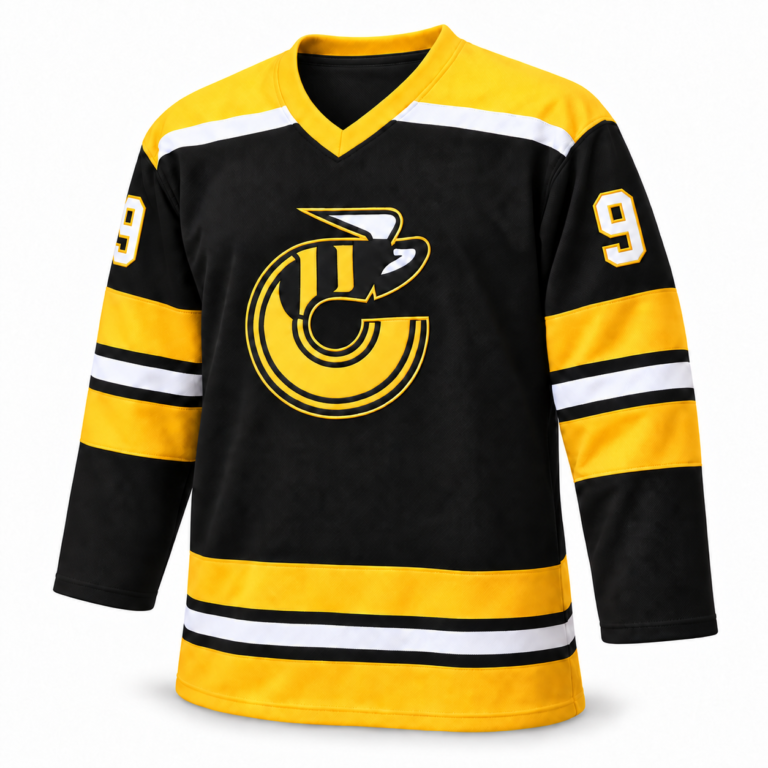
Hockey’s San Francisco Seals were a popular entry in the minor Western Hockey League (WHL) in the 1960s. The team won two championships before being “promoted” to the NHL in 1966 for the 1967-68 season.

Hockey’s San Francisco Seals were a popular entry in the minor Western Hockey League (WHL) in the 1960s. The team won two championships before being “promoted” to the NHL in 1966 for the 1967-68 season.

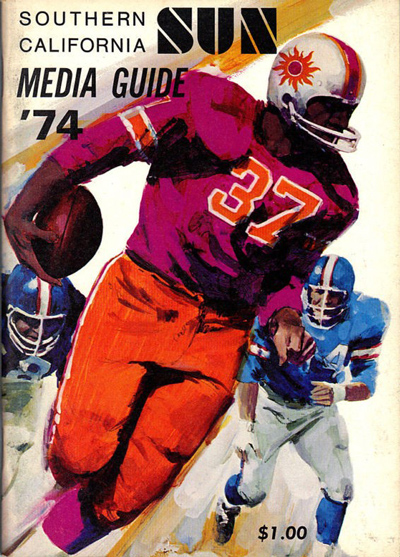
Not to be confused with the modern day Major League Soccer franchise, the Chicago Fire were founding members of the upstart World Football League in the summer of 1974. The WFL sought to challenge the supremacy of the National Football League as a major league football product and launched raids on NFL rosters. The Fire got off to a promising 7-2 start and drew strong crowds to Soldier Field. But an 11-game losing streak and a series of embarrassing financial setbacks across the league cooled Fire boss Tom Origer’s enthusiasm. The exasperated owner forfeited the Fire’s final game and shuttered the franchise soon afterwards. Rookie receiver James Scott was the Fire’s breakout star. After the demise of the WFL Scott went on to play seven seasons for the Chicago Bears from 1976 to 1983.

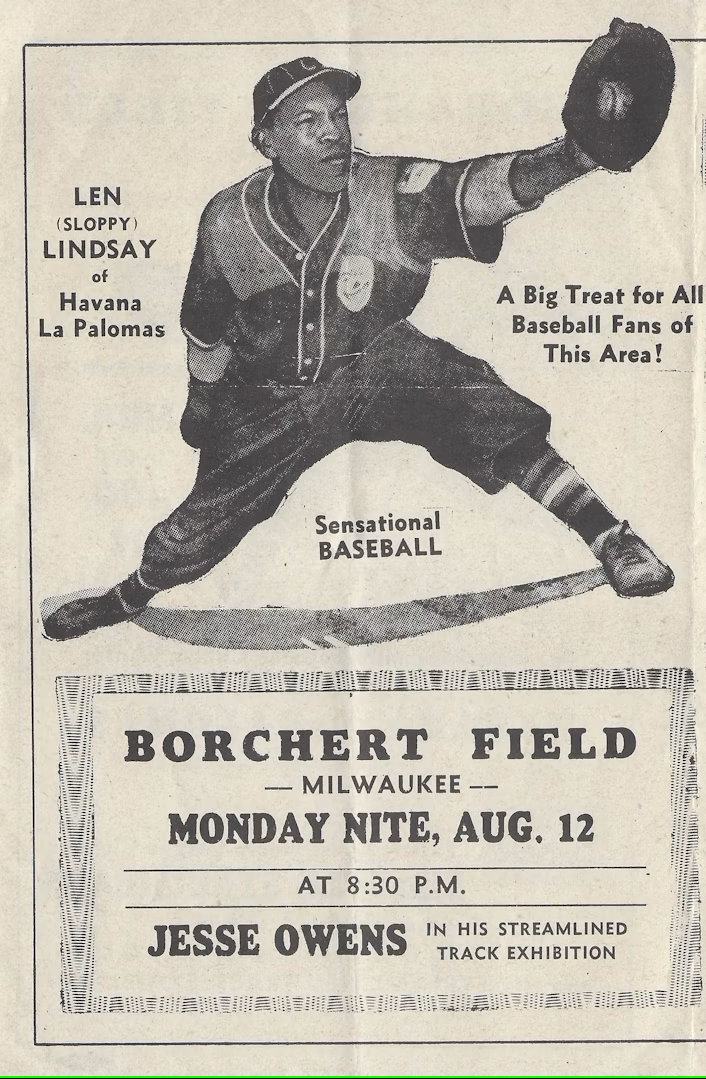
The Cleveland Buckeyes started as the Cincinnati-Cleveland Buckeyes in 1942, before settling permanently in Northern Ohio in 1943. The club won two league titles as well as a Negro World Series championship.

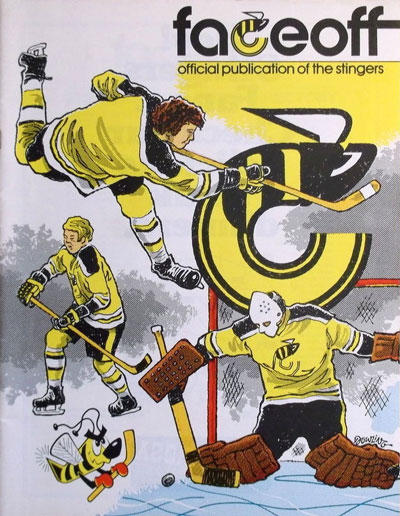
The Chicago Cougars were charter members of the WHA in 1972. The team played three seasons in the Windy City before folding in 1975. They are perhaps best remembered as the team that was displaced by Peter Pan.

Omaha, Nebraska has hosted the top farm club of the Kansas City Royals since the Major League club’s inception in 1969. Initially known as the Omaha Royals, the Class AAA club won four league championships of the American Association, including back-to-back titles in their first two seasons in 1969 and 1970. The Royals survived the closure of the American Association, joining the Pacific Coast League in 1998. From 1999 until 2001, the team was briefly known as the “Golden Spikes” before returning to the Royals nickname. In 2011, the club re-branded as the Omaha Storm Chasers while simultaneously moving into the new $36M Werner Park.

Houston Pro Soccer Yesterday The Houston Chronicle published photos of the nearly complete $95 million BBVA Compass Stadium in downtown Houston. BBVA opens on May 12th when its primary tenant, the Houston Dynamo, plays D.C. United in a Major League Soccer match. BBVA is simply the latest in a string of increasingly

The Quad City Steamwheelers, head quartered in Davenport, Iowa, were one of fifteen original franchises that began play in Arena Football 2 during the spring of 2000. The Steamwheelers dominated the league during its first two seasons, posting a 37-1 record and winning two Arena Cup championship games before raucous home crowds at the Mark of the Quad Cities.

The Los Angeles Stars basketball team was a short-lived effort by the American Basketball Association to plant its flag in L.A. during the early years of its rivalry with the National Basketball Association. The Stars labored in the shadows of the NBA’s Lakers and never established a substantial following. Coached by Hall-of-Famer (and future Lakers coach) Bill Sharman, the Stars did enjoy a thrilling Cinderella playoff run at the end of their second and final season in L.A.

In the spring of 1982, the Canadian Football League’s venerable Montreal Alouettes franchise collapsed under a mountain of debt. Seeking a clean slate for new ownership, league officials folded the Alouettes on May 13, 1982 and awarded a new Montreal expansion club to Seagram’s liquor baron and Montreal Expos founder Charles Bronfman the next day. The club embarked on a star-crossed four year voyage under the new name “Concordes”, drawing inspiration from the iconic supersonic transatlantic jets of the era.
*Like our new look? Next up: site speed. You can help with a tip for our Speed Fund today. Thank you!